Role of safety in junk removal: Massachusetts guide
- Joe Lusso
- Mar 16
- 10 min read

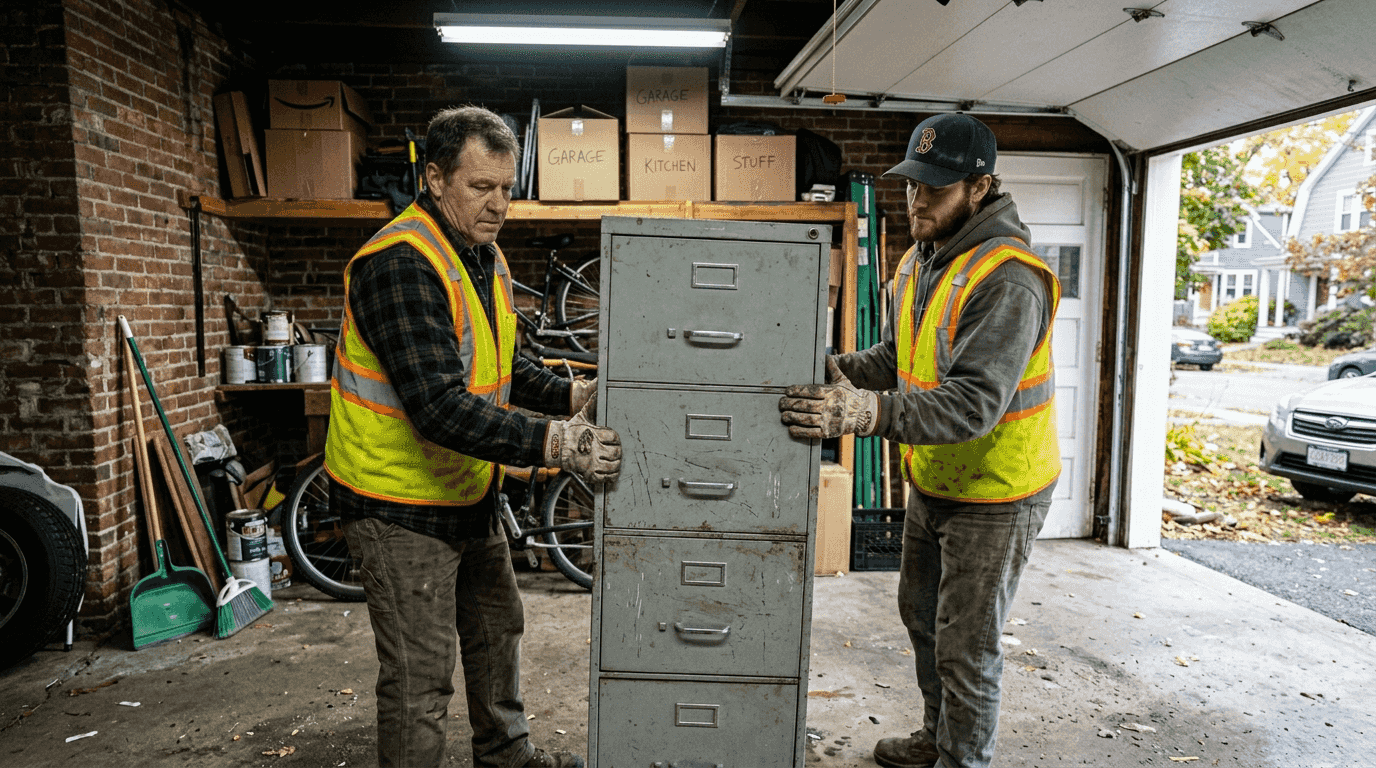
Junk removal might seem like a straightforward task, but it involves significant safety risks that homeowners and business owners in Massachusetts often overlook. From improper lifting techniques causing injuries to hazardous materials requiring special handling, the consequences of cutting corners can be severe. Professional junk removal services prioritize safety protocols that protect workers, customers, and the environment while ensuring efficient, compliant operations. Understanding how safety impacts every aspect of junk removal helps you make informed decisions when clearing clutter from your property. This guide explores why safety matters, what regulations govern the industry, and how to choose a provider that delivers reliable, eco-friendly service.
Table of Contents
Key takeaways
Point | Details |
Safety protocols protect everyone | Proper training and equipment reduce injuries and property damage during junk removal operations. |
Regulations ensure compliance | Massachusetts and federal standards govern waste disposal, worker safety, and environmental protection. |
Eco-friendly practices matter | Recycling and donation programs minimize landfill waste while meeting customer sustainability preferences. |
Professional services reduce liability | Licensed, insured providers handle complex jobs safely and efficiently, protecting you from legal risks. |
Training improves efficiency | Certified crews complete jobs faster with fewer accidents, saving time and money for customers. |
Understanding safety risks in junk removal operations
Junk removal exposes workers and property owners to numerous hazards that can result in serious injuries, property damage, and legal complications. Improper lifting techniques are a leading cause of back injuries in waste management, with workers frequently straining muscles while handling heavy furniture, appliances, and construction debris. Without proper training in body mechanics and team lifting protocols, even experienced workers risk herniated discs and chronic pain that can sideline them for weeks.
Vehicle-related accidents pose another significant threat during junk removal operations. Poor outdoor lighting and lack of designated walkways increase the risk of workers being struck by moving trucks or equipment. A Massachusetts freight mover incident report documented how inadequate lighting, missing walkways, and lack of reflective vests contributed to a fatal workplace accident. These preventable tragedies highlight why personal protective equipment and site safety protocols matter.
Hazardous materials present unique challenges that require specialized knowledge and equipment. Many households and businesses unknowingly store items containing asbestos, lead paint, chemicals, or electronic waste that can harm human health and the environment. Professional junk removal teams trained in hazardous material identification and handling prevent exposure incidents that could trigger expensive cleanup operations and regulatory penalties.
Pro Tip: Before scheduling junk removal, walk through your property and identify any items that might contain hazardous materials like old paint cans, batteries, or fluorescent bulbs so your service provider can prepare appropriate safety measures.
The financial impact of safety lapses extends beyond immediate medical costs. Insurance claims for workplace injuries, property damage from dropped items, and environmental violations can devastate small businesses. Homeowners who attempt DIY junk removal without proper equipment face similar risks, potentially voiding their homeowner’s insurance if accidents occur during amateur removal attempts. Understanding junk removal impact on safety helps you appreciate why professional services invest heavily in training and equipment.
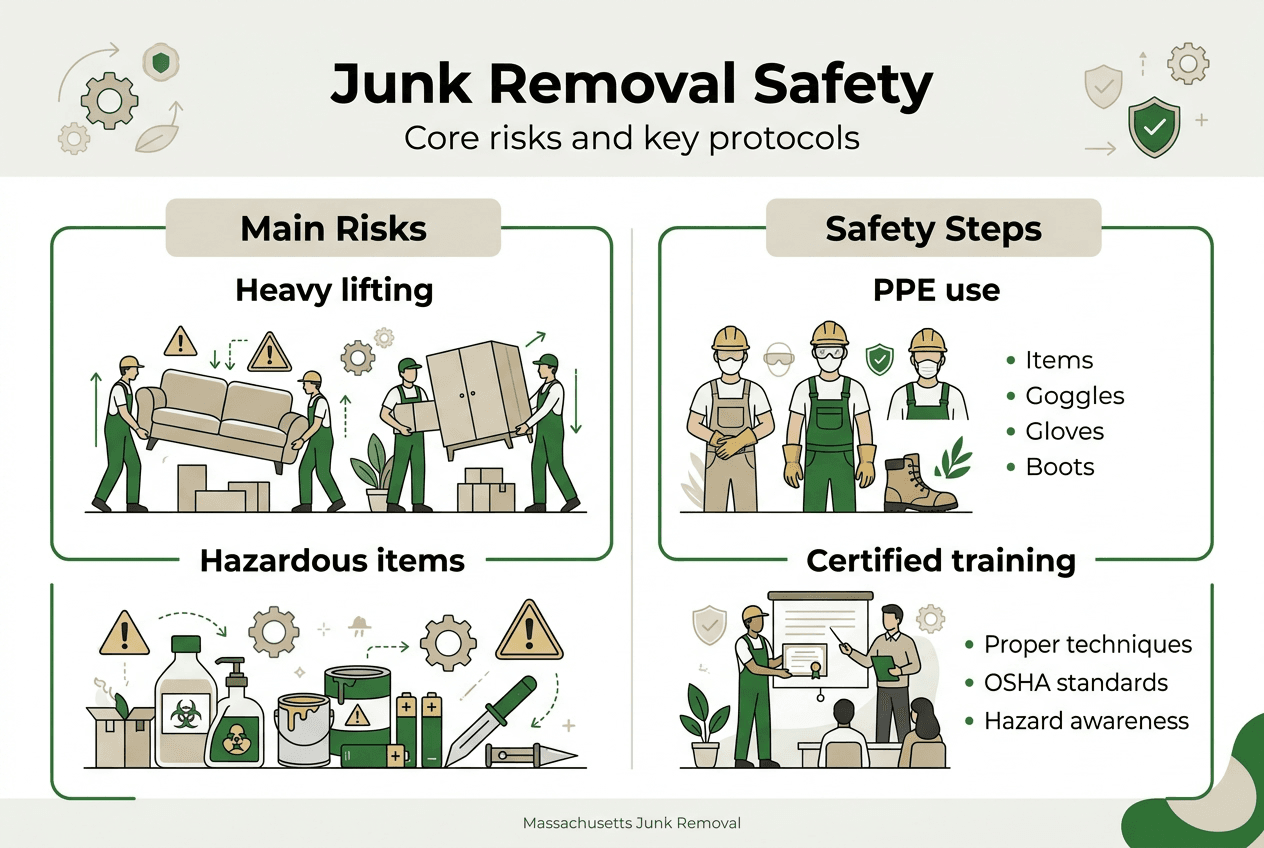
Regulatory agencies like OSHA establish comprehensive safety guidelines that cover everything from fall protection to hazard communication. Companies that ignore these standards face steep fines and potential criminal liability if workers or customers suffer preventable injuries. The true cost of safety shortcuts includes damaged reputation, lost business, and legal battles that can bankrupt unprepared operators.
Safety standards and regulations guiding junk removal in Massachusetts
Massachusetts junk removal services must comply with OSHA and state waste regulations that establish minimum safety standards for worker protection and environmental stewardship. These regulations create a framework that separates professional operators from amateur haulers who cut corners to offer lower prices. Understanding these requirements helps you evaluate potential service providers and avoid companies that expose you to unnecessary liability.
OSHA standards mandate specific safety protocols for junk removal operations:
Hazard communication programs that train workers to identify and handle dangerous materials safely
Personal protective equipment requirements including gloves, safety glasses, steel-toed boots, and high-visibility vests
Lockout/tagout procedures for equipment maintenance to prevent accidental activation injuries
Fall protection systems when working at heights during demolition or storage unit cleanouts
Emergency action plans that outline response procedures for accidents, spills, or exposure incidents
The Massachusetts Department of Environmental Protection enforces waste disposal regulations that protect public health and natural resources. These rules prohibit certain materials from entering landfills and require proper handling of electronics, appliances containing refrigerants, and construction debris. Companies that violate these regulations face substantial fines and potential license revocation, making compliance a business necessity rather than an optional expense.
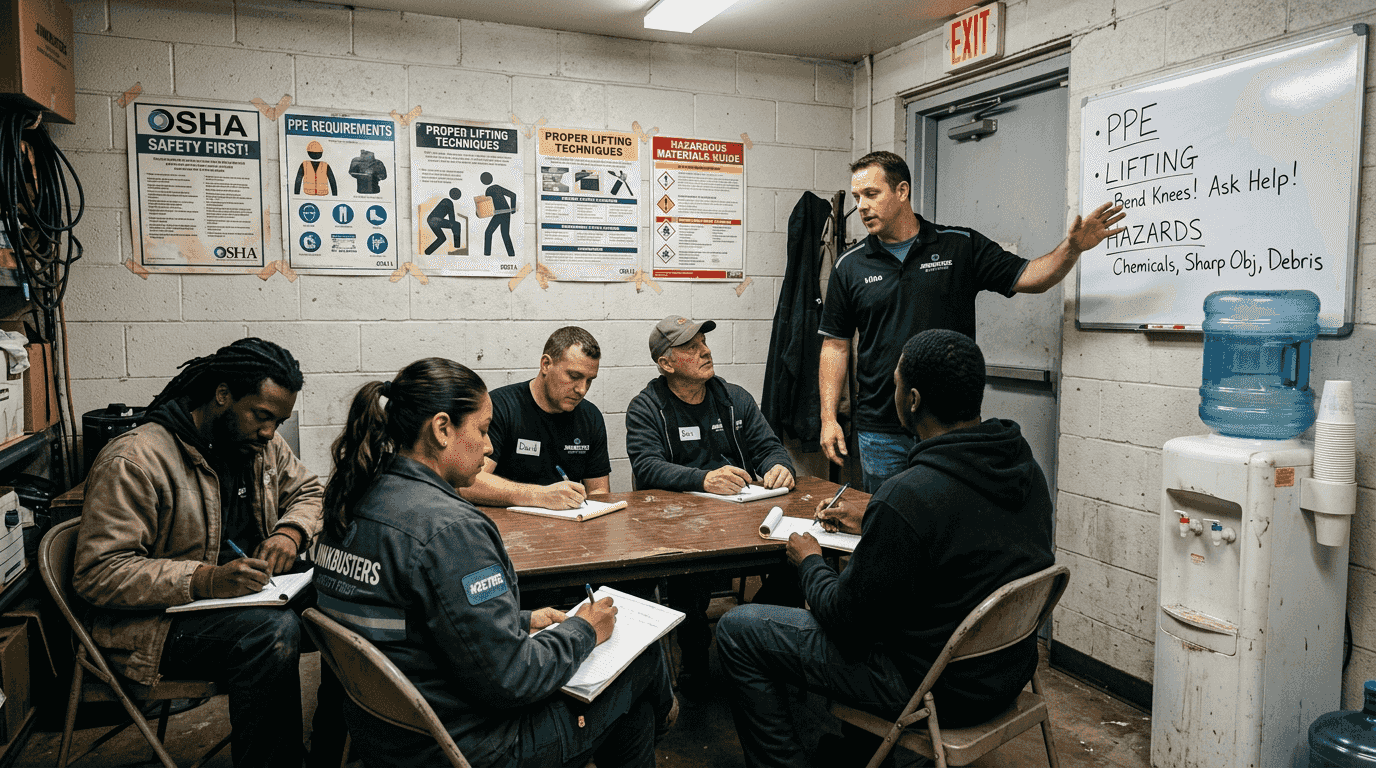
Certified safety training programs deliver measurable benefits for junk removal operations. The Massachusetts Department of Labor Standards reported that certified safety training reduces incidents by 25% and property damage claims by 20%. These improvements translate directly into lower insurance premiums, fewer work delays, and enhanced customer satisfaction as trained crews complete jobs more efficiently.
Regulation Type | Governing Body | Key Requirements |
Worker Safety | OSHA | PPE use, hazard training, equipment protocols |
Waste Disposal | MassDEP | Landfill bans, recycling mandates, hazardous material handling |
Vehicle Operation | Massachusetts DOT | Commercial licensing, vehicle maintenance, load securement |
Environmental Protection | EPA | Proper disposal of refrigerants, electronics, chemicals |
Hazardous materials handling requires specialized certifications that go beyond basic junk removal training. Workers must understand how to identify asbestos-containing materials, handle lead paint debris, and transport chemicals according to Department of Transportation regulations. These skills protect everyone involved in the junk removal process, from the crew loading the truck to the facility workers processing recyclables. Businesses seeking business junk disposal compliance benefit from partnering with fully certified providers who understand complex regulatory requirements.
Pro Tip: Ask potential junk removal providers for copies of their safety certifications and insurance policies before signing any contracts to verify they meet Massachusetts standards.
Efficiency and eco-friendly practices boosted by a safety-first junk removal approach
Safety protocols and operational efficiency work together rather than competing priorities in professional junk removal. Safe lifting techniques and proper equipment use actually speed up loading times while reducing the risk of dropped items that damage property or injure workers. Trained crews understand how to distribute weight in trucks, secure loads properly, and navigate tight spaces without accidents that delay projects and frustrate customers.
Eco-friendly disposal practices align naturally with safety-conscious operations because both require systematic planning and attention to detail. Eco-friendly disposal including recycling and donation reduces landfill waste significantly while creating opportunities to repurpose usable items. Massachusetts homeowners increasingly value sustainability, with 70% preferring junk removal services that prioritize recycling and donation, improving customer acquisition by 20% for companies that emphasize environmental responsibility.
Safe handling of hazardous materials prevents environmental disasters that can trigger massive cleanup costs and regulatory penalties. A single spill of motor oil, paint thinner, or refrigerant can contaminate soil and groundwater, creating liability that extends for years. Professional teams equipped with spill containment kits and proper disposal containers protect both the environment and their customers from expensive remediation projects.
Route optimization and vehicle maintenance contribute to both safety and environmental goals. Well-maintained trucks experience fewer breakdowns that strand crews and delay service, while efficient routing reduces fuel consumption and emissions. Modern junk removal companies use GPS tracking and scheduling software to minimize drive time, cutting operational costs while lowering their carbon footprint.
Approach | Safety Benefit | Efficiency Gain | Environmental Impact |
Proper lifting techniques | Reduced injury rates | Faster loading times | Less equipment damage |
Hazardous material protocols | Prevents exposure incidents | Streamlined sorting process | Compliant disposal |
Vehicle maintenance | Fewer breakdowns | Reliable scheduling | Lower emissions |
Recycling programs | Safe material handling | Revenue from recyclables | Diverted landfill waste |
Complex jobs like estate cleanouts, construction debris removal, and commercial warehouse clearances demand professional expertise that combines safety knowledge with operational efficiency. Trained staff can quickly assess a site, identify potential hazards, develop a removal plan, and execute it without the trial and error that plagues amateur attempts. This expertise becomes especially valuable when dealing with multi-story buildings, tight access points, or time-sensitive deadlines where safety cannot be compromised for speed.
The sustainability benefits of junk removal extend beyond immediate environmental protection to include long-term community health improvements. Proper disposal of electronics prevents toxic materials from leaching into water supplies, while donation programs support local charities and reduce demand for new manufacturing. Homeowners and businesses that manage junk removal efficiently contribute to a circular economy that benefits everyone.
Pro Tip: Schedule junk removal during off-peak hours when traffic is lighter to improve efficiency, reduce emissions from idling vehicles, and minimize disruption to your neighborhood.
Choosing a junk removal service in Massachusetts that prioritizes safety
Selecting the right junk removal provider requires careful evaluation of their safety credentials, regulatory compliance, and operational practices. Start by verifying that any company you consider holds current licenses and comprehensive insurance coverage that protects you from liability if accidents occur during service. Massachusetts Department of Environmental Protection advice emphasizes that licensed and insured services protect customers from liability while ensuring compliance with state waste disposal laws.
Employee training and personal protective equipment protocols reveal how seriously a company takes safety. Ask potential providers about their training programs, certification requirements, and safety record. Companies that invest in ongoing education for their crews demonstrate commitment to excellence that translates into better service quality and fewer accidents. Look for providers whose workers wear proper PPE including reflective vests, work gloves, and steel-toed boots as standard practice rather than occasional compliance.
Key questions to ask when evaluating junk removal services:
What safety certifications do your employees hold, and how often do you provide refresher training?
Can you provide proof of liability insurance and workers’ compensation coverage?
How do you handle hazardous materials, and what disposal facilities do you use?
What percentage of collected materials do you recycle or donate rather than sending to landfills?
Do you follow OSHA guidelines and Massachusetts waste disposal regulations?
Can you provide references from recent customers with similar projects?
Online reviews offer valuable insights into a company’s safety record and customer satisfaction levels. Look for patterns in feedback rather than focusing on isolated complaints. Companies with consistent praise for professionalism, care with property, and efficient service likely maintain strong safety cultures. Warning signs include multiple reports of damaged property, unprofessional behavior, or incomplete jobs that suggest corner-cutting.
The cost-benefit analysis of professional services versus DIY junk removal heavily favors hiring experts when you factor in safety risks and liability exposure. Renting a truck, recruiting friends to help lift heavy items, and disposing of materials yourself might seem cheaper initially, but one injury or improper disposal fine can erase any savings. Professional services include insurance protection, proper equipment, and regulatory compliance that DIY approaches cannot match.
Pro Tip: Request a detailed written estimate that itemizes services, disposal methods, and any additional fees before committing to ensure transparency and avoid surprise charges.
Homeowners seeking junk removal for homeowners benefit from providers who understand residential property concerns like protecting landscaping, avoiding damage to driveways, and working around family schedules. Business owners requiring commercial services need companies experienced with business junk disposal who can handle larger volumes, navigate loading docks, and complete projects outside business hours to minimize operational disruption.
Discover safe, efficient junk removal services in Massachusetts
After learning how safety protocols, regulatory compliance, and eco-friendly practices separate professional junk removal from amateur hauling, you can make informed decisions about clearing clutter from your property. Junk Dispatch provides licensed, insured, and safety-compliant junk removal throughout Massachusetts with trained teams who prioritize protecting your property while handling all materials responsibly. Our commitment to eco-friendly disposal through recycling and donation programs ensures your unwanted items benefit the community rather than burdening landfills.
We serve homeowners tackling garage cleanouts, businesses managing office renovations, and contractors handling construction debris with the same attention to safety and efficiency. Our flexible scheduling includes same-day service when you need quick solutions, backed by transparent pricing and guaranteed customer satisfaction. Whether you need junk removal services in Reading, MA, comprehensive coverage across Essex County, or specialized construction debris removal, our experienced crews deliver reliable results you can trust. Contact us today for a free estimate and experience the difference professional junk removal makes.
FAQ
What safety measures do professional junk removal companies typically follow?
Professional companies require workers to wear personal protective equipment including gloves, safety glasses, steel-toed boots, and high-visibility vests during all operations. They implement proper lifting techniques through team-based approaches that distribute weight safely and use equipment like dollies and ramps to minimize strain. Comprehensive training programs cover hazard identification, emergency response procedures, and compliance with OSHA standards that protect both workers and customers. Regular safety audits and equipment inspections ensure consistent adherence to protocols that prevent accidents.
Why is eco-friendly disposal important in junk removal?
Reducing landfill waste through recycling and donation programs protects the environment by preventing toxic materials from contaminating soil and water while conserving natural resources. Eco-friendly disposal aligns with growing customer demand for sustainable business practices, with Massachusetts homeowners increasingly choosing providers who demonstrate environmental responsibility. Proper handling of electronics, appliances, and hazardous materials prevents pollution while supporting circular economy principles that benefit entire communities. Companies that prioritize sustainability often discover operational efficiencies that reduce costs while enhancing their reputation.
How can I verify if a junk removal service is safe and compliant?
Request copies of current business licenses, liability insurance certificates, and workers’ compensation policies to confirm the company meets Massachusetts legal requirements. Ask about employee safety training programs and certifications, particularly for hazardous material handling and OSHA compliance. Check online reviews and Better Business Bureau ratings to identify patterns in customer feedback regarding professionalism and safety practices. Contact references from recent projects similar to yours to learn about their firsthand experiences with the company’s attention to safety and property protection.
What are the risks of DIY junk removal compared to hiring professionals?
DIY junk removal often leads to injuries due to improper lifting techniques and lack of specialized equipment designed for heavy, awkward items. Homeowners attempting removal themselves face potential property damage from dropped furniture, scratched floors, and damaged doorways that professionals avoid through experience and proper tools. Legal liability for improper disposal of hazardous materials or prohibited waste can result in substantial fines that exceed the cost of professional service. Without proper insurance coverage, DIY accidents leave you financially responsible for medical bills and property repairs that licensed companies cover through their policies.
Recommended
Comments